Japanese Culture, One Topic at a Time
Culture and language are the same lesson in Japan: every tradition comes with its own vocabulary. Each guide below teaches the story and the words — with kanji links, readings, romaji and tap-to-speak audio, so you learn to say what you learn to love.
Seasons & Nature

The Four Seasons in Japanese
Japan's calendar, conversation and food all revolve around the four seasons. Learn the words for spring, summe…

Sakura and Hanami
Why a two-week bloom stops the whole country: the vocabulary of sakura, hanami parties, the blossom forecast, …

Tsuyu
The “plum rain” month between spring and summer: why it's written with the plum kanji, hydrangeas and teru-ter…

Kōyō and Momijigari
Autumn's answer to hanami: leaf-hunting, the red-leaf front, maple tempura, and why autumn is the season of ap…

The 72 Microseasons of the Old Japanese Calendar
The old calendar split the year into 72 five-day seasons with names like “East wind melts the ice” — a beautif…

Onsen
How to read the ♨ signs, what to do before you get in, rotenburo in the snow, and the bathing vocabulary that …

Tanabata
Two lovers allowed to meet once a year across the Milky Way, wishes tied to bamboo, and streets full of paper …

Kotatsu, Mikan and the Japanese Winter at Home
The heated table you never want to leave, mandarin oranges by the crate, and the cozy vocabulary of Japanese w…

Hanabi
Why hundreds of thousands of people sit on riverbanks in yukata every summer weekend — the vocabulary of hanab…
Food & Drink

Japanese Food Words You Already Know
Sushi, ramen, bento, wasabi… you already speak food-Japanese. See what the words literally mean, how they're w…
Wagashi
Sweets designed to be eaten with the eyes first: mochi, anko, dango and the seasonal artistry of Japanese conf…
Itadakimasu
What itadakimasu and gochisōsama actually mean, chopstick taboos with dark origins, and the phrases that make …

Ocha
Matcha, sencha, hōjicha and friends: how to read a tea shelf, what the tea ceremony is really about, and why “…
Izakaya
Small plates, cheap draft beer, and the ritual of “otoshi” — how an izakaya menu works and why the first round…

Ramen
Why “ramen” isn't one dish but dozens — the vocabulary for broth, noodles, and the fiercely defended regional …

Sushi
Nigiri, gunkan, and the unspoken rules of a sushi counter — how to order, what to say, and the vocabulary of J…

Kissaten
Siphon coffee, cream soda, and a dim, unhurried room untouched by decades — the vocabulary and rituals of Japa…

Bento
From convenience store shelves to painstaking homemade lunches shaped like cartoon characters, the bento box i…
Daily Life

Konbini
Pay your bills, buy concert tickets, print documents, and eat surprisingly good food at 2am: what you can actu…
Jidōhanbaiki
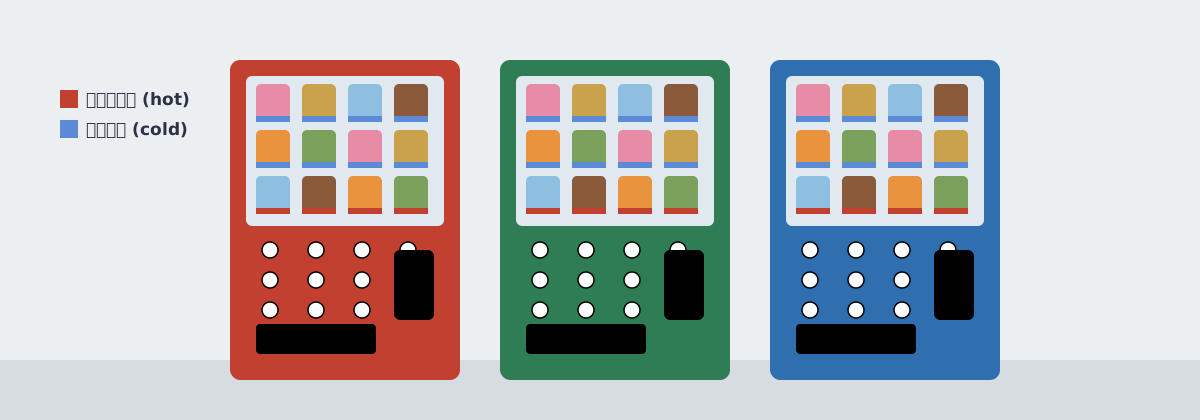
One machine for every 30 people: hot coffee in a can, cold tea, ramen, and the reason they're on every quiet s…

Trains and the Shinkansen
IC cards, silent carriages, the bullet train that's never late: how Japanese rail works, the etiquette that ke…
Japanese School Life
Indoor shoes, school lunches served and cleaned up by the students themselves, and after-school clubs that run…
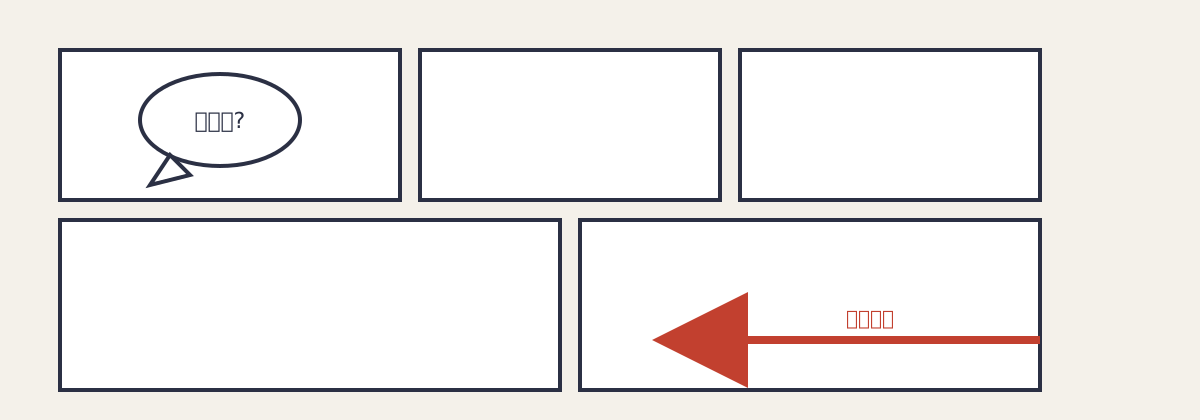
Manga and Anime
Furigana, honorifics in subtitles, and the reading direction that trips up every beginner — the practical voca…

Omiyage
Why every train station sells individually wrapped snacks by the box — the etiquette of omiyage, and why comin…

Sento
Murals of Mount Fuji, a shared soak with strangers, and a fading tradition — how sento differ from onsen, and …

Hanko
Why Japan still runs on ink stamps instead of signatures — the vocabulary of hanko, and where the custom is (s…

Japanese Toilets
Heated seats, built-in bidets, and a button panel that intimidates every first-time visitor — the practical vo…

Japanese Gestures and Body Language
Why Japanese people point to their nose instead of their chest to mean “me,” and other everyday gestures that …

Kimono
Furisode, yukata, tomesode — Japan's traditional dress isn't a single garment but a whole system of formality …

Capsule Hotels
Stacked sleeping pods, communal baths, and a whole etiquette system — capsule hotels are one of Japan's most r…
History & Tradition
Reiwa, Shōwa, Meiji
Japan runs on two calendars at once. Learn how era names (gengō) work, what Reiwa means, and how to convert ye…
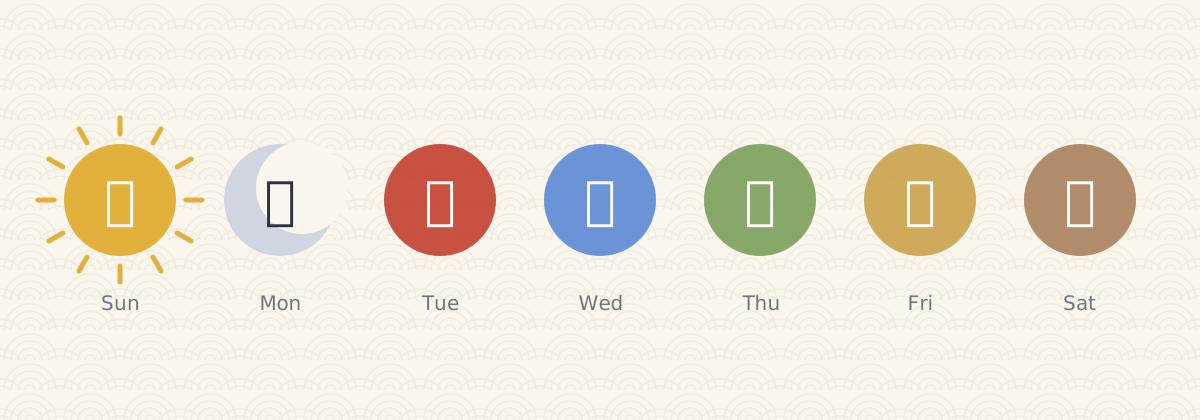
Sun, Moon and Five Elements
Monday is the moon, Tuesday is fire, Wednesday is water: the days of the week are a pocket lesson in kanji and…

The Twelve Zodiac Animals (Eto)
New Year's cards, birth-year charms and the tactful way to guess someone's age: how the 12-animal zodiac quiet…

Matsuri
Lantern-lit streets, portable shrines, goldfish scooping and yukata: the vocabulary and rhythms of the Japanes…

Oshōgatsu
Japan's biggest holiday: the first shrine visit, lucky foods in lacquer boxes, money envelopes for kids, and t…

Sumo
Salt thrown in the air, matches decided in seconds, a living Edo-period hierarchy: how to watch sumo and actua…

Japanese Castles
White herons, black crows and stone walls that survived everything: how Japanese castles work and the vocabula…
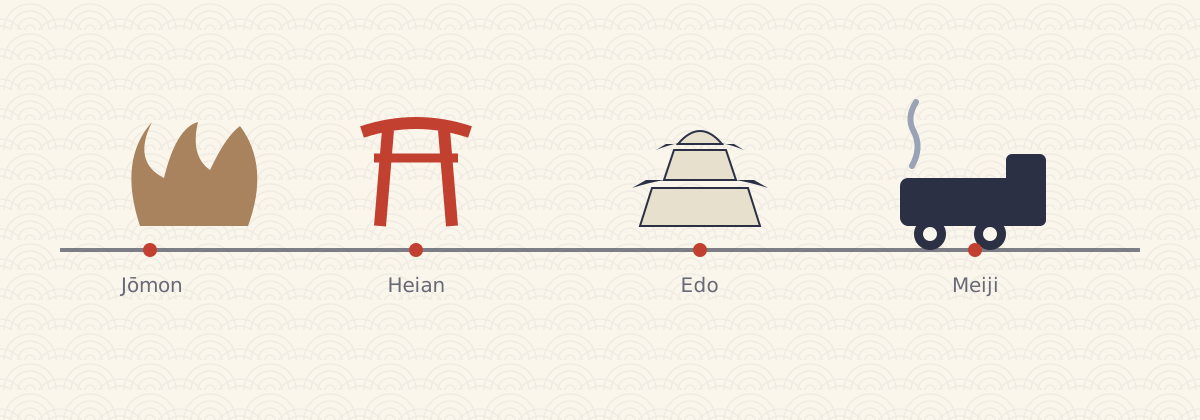
Japanese History in Ten Periods
Samurai, shōguns and the world's oldest pottery: the ten-period skeleton of Japanese history that anime, drama…

Shrines and Temples
Shinto shrines and Buddhist temples look similar to newcomers but follow different etiquette — the torii gate,…

Seijin Shiki
Furisode kimono, hometown reunions, and a single Monday in January when Japan's 20-year-olds are formally welc…

Origami
Why the paper crane became a symbol of peace, what senbazuru (1,000 cranes) means, and the vocabulary behind J…

Obon
Every August, families across Japan light lanterns to welcome their ancestors' spirits home for a few days. He…

Shodo
A single brushstroke, done right, is considered as expressive as a whole sentence. Here's what shodo actually …
Language & Customs

Keigo
Why the same sentence changes shape depending on who you're talking to — the three branches of keigo, and the …
Gion-go and Gitai-go
Why “pika-pika” means shiny and “waku-waku” means excited — Japan's huge system of sound-effect and mood words…

San, Chan, Kun, Sama
Why almost no Japanese name is said bare — the honorific suffixes -san, -chan, -kun and -sama, and what it mea…
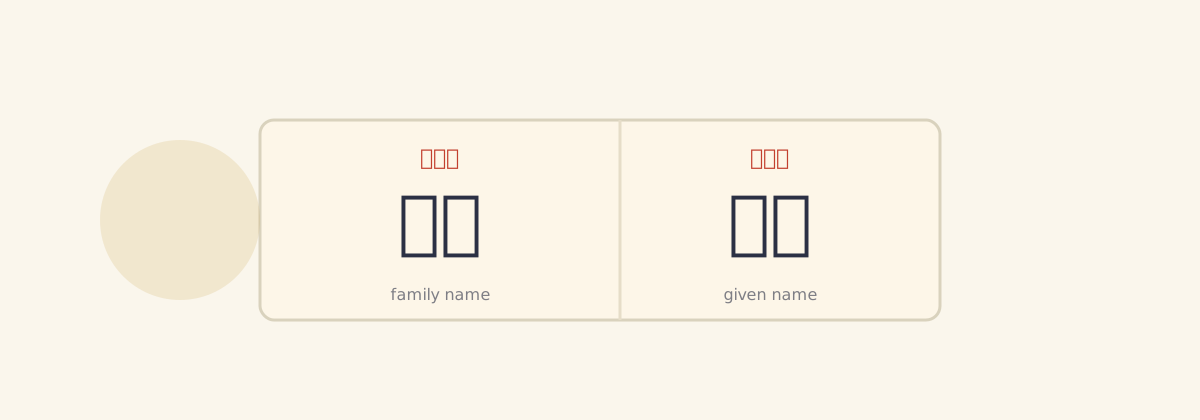
How Japanese Names Work
Why Japanese names are said family-name-first, why the same kanji can be read several different ways, and the …

Kotowaza
Monkeys falling from trees, dumplings over flowers — a handful of Japanese proverbs (kotowaza) that show up co…